

Houston commercial buildings are always in motion. Tenants remodel, maintenance teams open ceilings, and new equipment shows up in back corridors and telecom rooms. Even when a system passed once, those everyday changes can quietly weaken coverage in the exact places responders need it. That is why owners cannot treat public safety coverage as a “set it and forget it” line item.
Ongoing audits make dependability measurable. They give property teams a repeatable way to spot drift early, fix small issues before they spread, and keep documentation ready when an AHJ asks for proof. For multi-property portfolios in Houston, audits also create a consistent standard across sites, so one problem building does not become a bigger risk during inspections or incident response.
Why Houston Portfolios Benefit from Recurring DAS Audits
Houston portfolios often include mixed-use towers, medical offices, parking structures, and distribution sites under one management umbrella. Each building type stresses RF differently, and each has different disruption risks from tenant work and routine maintenance. A recurring audit rhythm helps teams keep coverage stable across these environments, rather than relying on a one-time acceptance test that may not reflect today’s layout, staffing, and occupancy patterns across different ownership setups.
Read More : What are collaboration tools?
Audits also reduce “tribal knowledge” risk. When staff changes, vendors change, or a building gets sold, the audit history shows what was tested, what was fixed, and what still needs monitoring. That continuity builds confidence for ownership, risk teams, and tenants who ask direct questions about readiness. It also helps teams answer quickly without chasing old files, rebooking contractors, reopening ceilings, or repeating work unnecessarily during audits and inspections later.
Hardware Checks that Keep DAS-Installation Drift Small
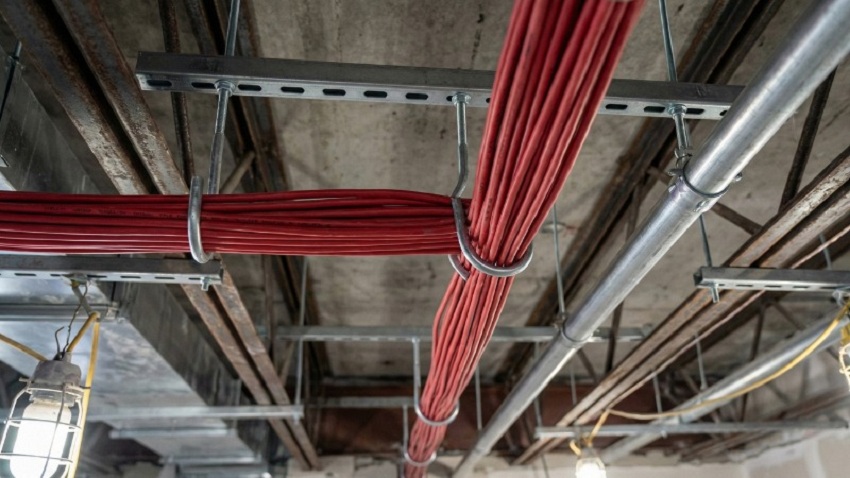
Dependability starts with physical details. After public safety DAS installation, an audit should confirm antennas match the plan, connectors are tight, cables are labeled, and pathways are protected where people routinely access ceilings and risers. It should also confirm fire stopping and penetrations remain intact, since disturbed pathways can create both compliance issues and reliability problems over time, especially in busy service corridors, parking levels, shared building risers, and cabinets together.
As buildings operate, small issues show up first. A ceiling crew can bump an antenna, a cable can get pinched, or a connector can loosen from vibration and repeated access. A hardware-focused audit looks for these patterns and documents them with simple photos and notes. Catching them early prevents confusing “random dead zones” that are expensive to troubleshoot once spaces are fully occupied and access windows are limited by tenants and operating hours.
Choosing an Audit Cadence that Matches Real-World Change
Most teams do best with two layers of audits. A lighter check every quarter or twice a year can focus on alarms, power status, visible damage, and basic performance in critical pathways. Then, a deeper annual audit can include documented point testing across priority areas. This approach keeps cost and disruption reasonable while still protecting the spaces that inspectors, safety committees, insurers, and enterprise tenants tend to focus on each year.
Cadence should also include trigger events. Tenant build-outs, ceiling rework, electrical upgrades, or a change in how a floor is used can all shift signal behavior. A simple trigger list gives teams permission to audit “out of cycle” when it matters. That is often cheaper than waiting, failing a spot check, and then rushing corrections under a tight inspection, renewal, lender review, or occupancy deadline with little room to react.
Performance Testing that Proves Public Safety System
Performance audits should be repeatable and mapped. A public safety DAS system can look fine in a hallway while failing in stairwell landings, garages, or deep interior corridors. Documented point testing, often grid-based in key zones, makes results comparable across audit cycles. It also helps teams identify whether a problem is localized, spreading, or tied to a single pathway issue like cable loss, interference, configuration drift, or equipment imbalance today.
A good audit also checks usability, not just signal. Uplink stability and voice clarity matter in spaces where responders coordinate and where staff guide evacuations. Teams usually focus on stairwells, fire command zones, parking areas, loading corridors, and interior rooms with heavy walls. When results are captured the same way each time, trends appear early, and fixes become targeted, scheduled, and coordinated instead of reactive and disruptive for responders consistently.
Power, Battery, and Monitoring Audits Support Survivability
Coverage that disappears during a power event is not dependable coverage. Audits should verify battery condition, replacement dates, charging behavior, and whether power alarms and trouble signals are working. They should also confirm grounding and equipment room conditions, since heat, humidity, and poor ventilation can shorten component life. These checks are often fast, but they prevent hidden failures that only show up during a real outage, storm event, or planned electrical shutdown.
Process checks matter too. If an alarm triggers, who sees it, who owns the ticket, and how quickly can they access the room? A short escalation review often reveals gaps in contacts, keys, or after-hours access. Closing those gaps turns failures into routine service events. Across portfolios, it also standardizes response so each property does not handle the same fault in a different, slower way, with different vendors and inconsistent follow-through.
Re-Auditing after Tenant Work Protects High-Risk Zones
Houston tenant spaces change constantly, and RF reacts quickly to walls, doors, and new uses of space. A tenant can add partitions, convert storage to offices, or install equipment that creates shadow zones. Re-auditing after major changes is one of the simplest ways to prevent “surprise” gaps in responder routes. It is also a practical way to keep confidence high without retesting the entire building every time, especially when only one suite was modified.
This is where teams revisit assumptions from public safety DAS installation. If a floor plan changed, the audit should shift to match the new responder pathways and evacuation routes. Many teams use targeted testing in the impacted area, plus a quick verification of critical common areas like stairwells and garages. That keeps effort efficient while still protecting compliance outcomes, reducing tenant complaints, supporting insurance questions, and avoiding retests during inspections and final sign-offs.
Reporting that Keeps Inspections Smooth and Supports Portfolio Visibility
Audit results should be easy to read and easy to defend. When a public safety DAS system has clear maps, test points, calibration notes, and a summary of findings, inspectors and risk teams can quickly review. Clear reporting also supports leasing and insurance conversations, because it turns “we think it works” into documented evidence. For portfolios, a standard report format also makes it easy to compare buildings, spot recurring issues, and prioritize upgrades.
Audit reporting can also help properties communicate credibility online without hype. Many teams publish safety-readiness or compliance pages for tenants, and they sometimes use SEO services so the right decision-makers can find that information when they research Houston sites. When audit data is clean, content stays accurate, updates are easier, and claims remain factual. This trust-forward approach helps generate qualified interest while still keeping the message grounded, specific, and professional.
Conclusion
Ongoing audits keep public safety DAS dependable because they blend hardware checks, repeatable performance testing, and disciplined documentation. In Houston, where tenant changes and maintenance work are constant, audits help teams spot drift early and fix issues before they become inspection problems. A steady audit rhythm also makes portfolio management easier, because every building follows the same playbook and produces comparable proof over time, even as properties expand and schedules tighten.
CMC communications supports commercial property teams by helping them structure audit plans, document results, and keep verification repeatable across buildings. Their team can also help owners align audit scope to the areas inspectors prioritize, so performance stays dependable as properties expand, remodel, change hands, and bring new tenants into the same footprint. They can also help teams standardize reporting formats, which makes portfolio-level tracking simpler year after year for owners.
Frequently Asked Questions
Question: How often should a commercial building in Houston audit public safety coverage?
Answer: Most teams do lighter checks quarterly or twice a year to confirm alarms, power status, and obvious issues, then schedule a deeper annual audit with documented point testing in priority zones. If tenants remodel, ceilings are opened, or electrical upgrades occur, an out-of-cycle check is usually worth it. This cadence keeps small problems from becoming inspection issues. It also helps owners stay confident as the building changes.
Read More : Bring a new dimension to your meetings with Essential Apps selected by Zoom
Question: Which spaces should always be included in an audit?
Answer: Stairwells, fire command areas, garages, and main corridors should be treated as must-test zones because responders rely on them during coordination. Deep interior routes and back-of-house hallways often show drift first, so they belong on every checklist too. Equipment rooms, risers, and battery locations also need routine verification. These areas influence both performance and compliance proof.
Question: What causes coverage to drift after a building passes once?
Answer: Tenant build-outs can add walls, doors, and new layouts that block or reflect RF in ways the original test never saw. Routine ceiling work can bump antennas, loosen connectors, or pinch cable runs without anyone noticing. Added equipment, dense storage, and new mechanical installs can create shadow zones over time. Audits catch these shifts early, when fixes are still small and targeted.
Question: Do teams need full grid testing every time?
Answer: Not always. Many teams use targeted point testing between annual audits by checking the same mapped locations each time, which still reveals meaningful trends. Full grid testing is often saved for annual verification or major change events like large remodels, expansions, or repeated performance complaints. This approach keeps cost and disruption reasonable while still producing defensible results.
Question: What documentation should owners keep after each audit?
Answer: Owners should keep updated floor maps, test point results, and a short summary of findings so performance is easy to review later. Photos of key equipment, battery condition notes, and alarm logs help confirm system health and make service calls faster. They should also document what was fixed and what follow-ups remain open. Clean records make inspections and troubleshooting far simpler.